
KABUL, 12 July 2026 (TON): The United Nations has warned that Afghanistan is facing one of the world’s largest displacement crises as poverty, climate shocks and the return of millions of Afghans continue to place enormous pressure on communities already struggling to recover from decades of conflict, claimed socioeconomic review by the UN Development Programme (UNDP).
According to the latest socioeconomic review by the UN Development Programme (UNDP), Afghanistan’s fragile economy, prolonged humanitarian challenges, recurring natural disasters and the return of approximately 2.7 million Afghans are stretching livelihoods and public services across the country. The report also highlights the impact of prolonged drought, devastating earthquakes and declining participation of women in the economy as additional factors slowing the country’s recovery.
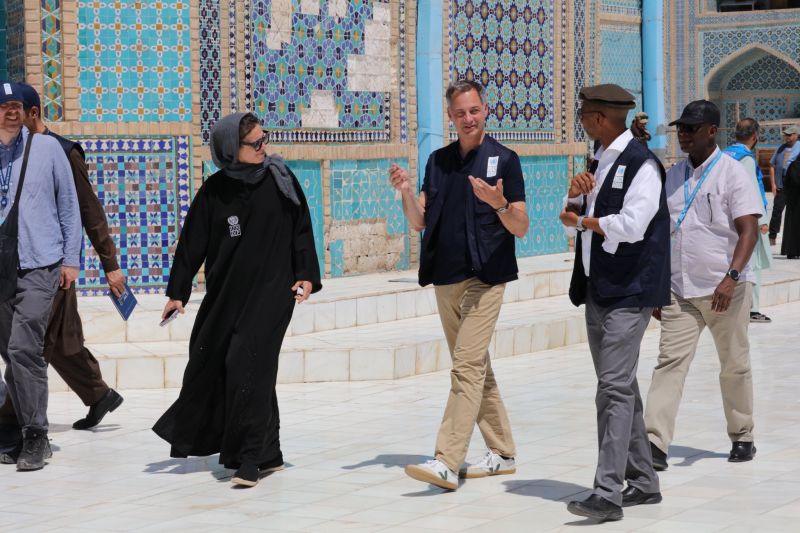
The UNDP Administrator Alexander De Croo has assured United Nations’ commitment to supporting long-term recovery and helping displaced-families rebuild their lives. During his visit to Afghanistan, Alexander De Croo visited the Sutan Valley, where reconstruction projects are helping families recover from natural disasters. He also met communities affected by recent earthquakes in Jalalabad.
The reports emerging from Afghanistan claims that during the visit of the UNDP Administrator Alexander De Croo to Afghanistan he was briefed and counseled by anti-Taliban factions who only showed the plight of Persian speaking communities and those who were there to project only one side of the story. UNDP and UNHCR fails to address the plight and suffering of Pashtun population or pro-Taliban communities as if they are not humans.
The UN estimates that nearly 74 percent of Afghanistan’s population – around 29 million people – are unable to meet their basic needs, making the country one of the world’s most severe humanitarian emergencies.
A UN Special Trust Fund for Afghanistan initiative aimed at supporting returnees, internally displaced people and host communities in Kunduz and Baghlan provinces. The programme has already cleared more than 6,400 square metres of land contaminated by mines, launched dozens of community infrastructure projects and identified hundreds of households requiring permanent housing in areas with large numbers of returning families. UNHCR estimates that more than 570,000 Afghans will require resettlement opportunities during 2026.